Is Uluru Older Than the Dinosaurs?
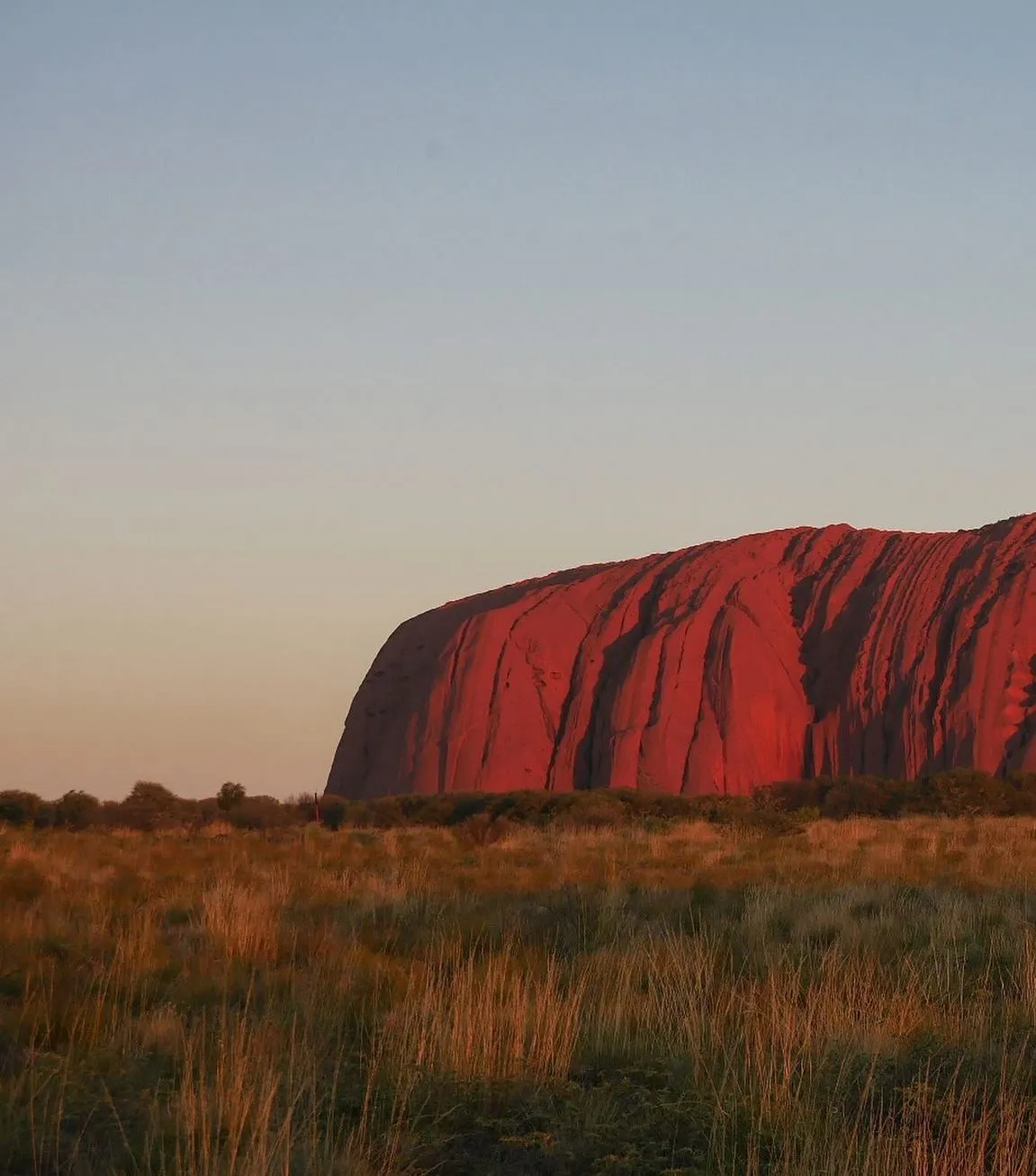
Uluru, the rock in the middle of the Australian outback, has fascinated people for centuries. As the biggest rock of its kind and a giant monolith rising out of the red desert, Uluru is surrounded by old stories, a rich history and spiritual significance for the traditional owners for thousands of years – the Anangu people. This living landscape is not just a symbol of the Aussie outback but a link to the earliest period of Earth’s history. But one question continues to puzzle travellers and scientists alike: Is Uluru older than the dinosaurs?
The Ancient History

To find out Uluru’s age we need to go back in time over 550 million years. At that time the land was covered in softer rocks and ancient rivers. Over countless centuries the erosion of these softer rocks by freshwater rivers left behind sediments that were compressed into arkose sandstone. Over hundreds of thousands of years these sediments formed the base of what would become the biggest monolith in the world – the actual monolith known as Uluru.
This ancient land was vastly different from what we see today. The area was once filled with fantasy gardens of strange plants and evidence of life from a bygone age. The ancient rocks that make up Uluru bear the marks of this deep history. It is widely accepted in geological circles that Uluru started to rise above the landscape around 400 million years ago making it an ancient monolith that has survived multiple eras of change.
If you want to uncover its secrets many Uluru tours offer guided walks that reveal the geological and cultural stories of this massive monolith.
Table: Uluru’s Age Compared to Major Events
| Event | Estimated Age (Millions of Years Ago) |
|---|---|
| Uluru’s rock formation begins | 550 |
| Uluru rises above the landscape | 400 |
| The first dinosaurs appeared | 230 |
| Popular belief: the earliest period of life | 541 (start of Cambrian explosion) |
| Anangu traditional ceremonies begin | 30–40 (thousands of years ago) |
| Arrival of Europeans in the Aussie outback | ~150 (years ago) |
Uluru’s age is hard to get your head around. That’s because it started forming before the first dinosaurs roamed the Earth. And it’s central to stories and ceremonies that have been passed down through the ages, through every major chapter of Earth’s history.
Uncovering Australia’s Deep History
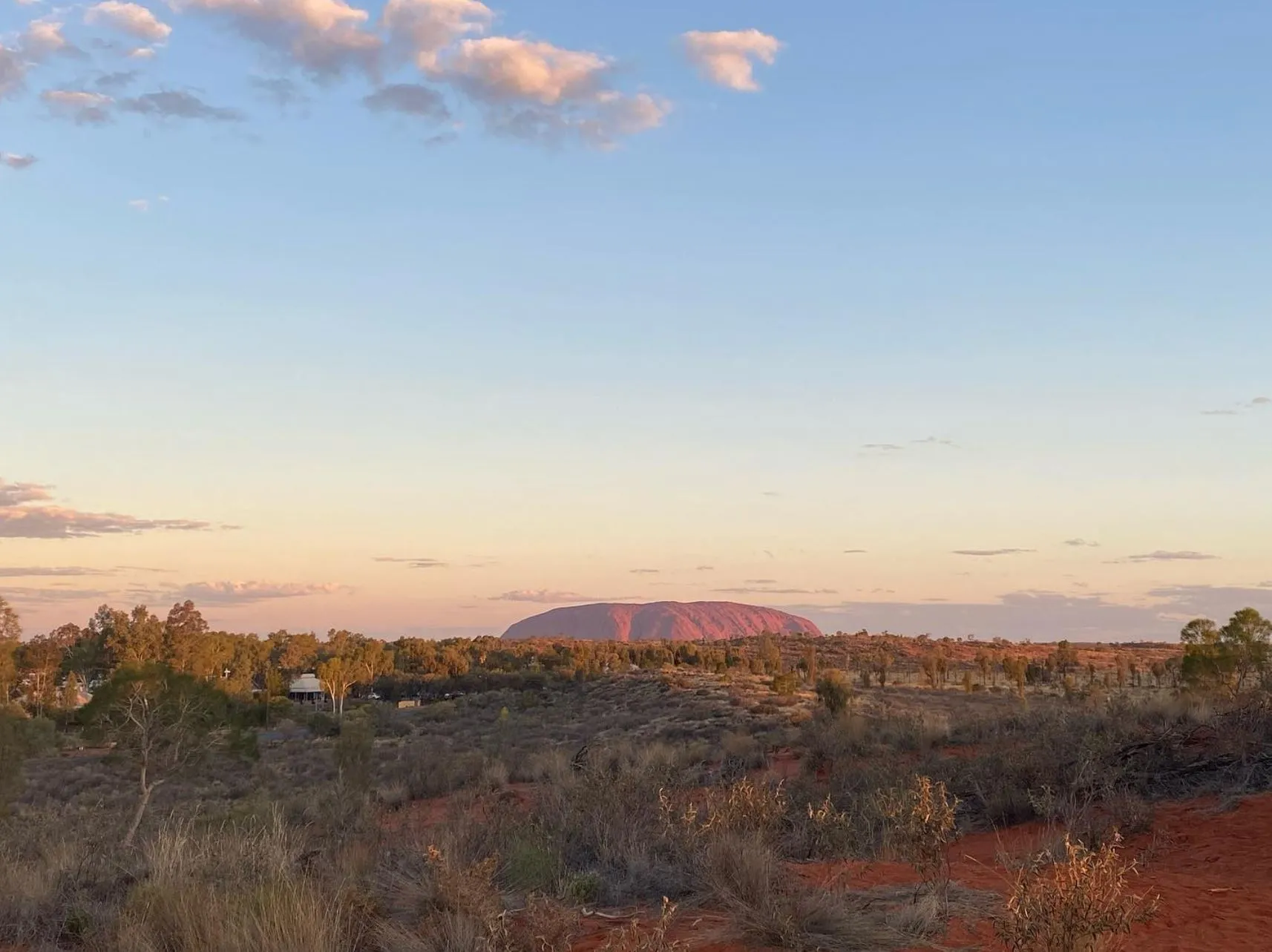
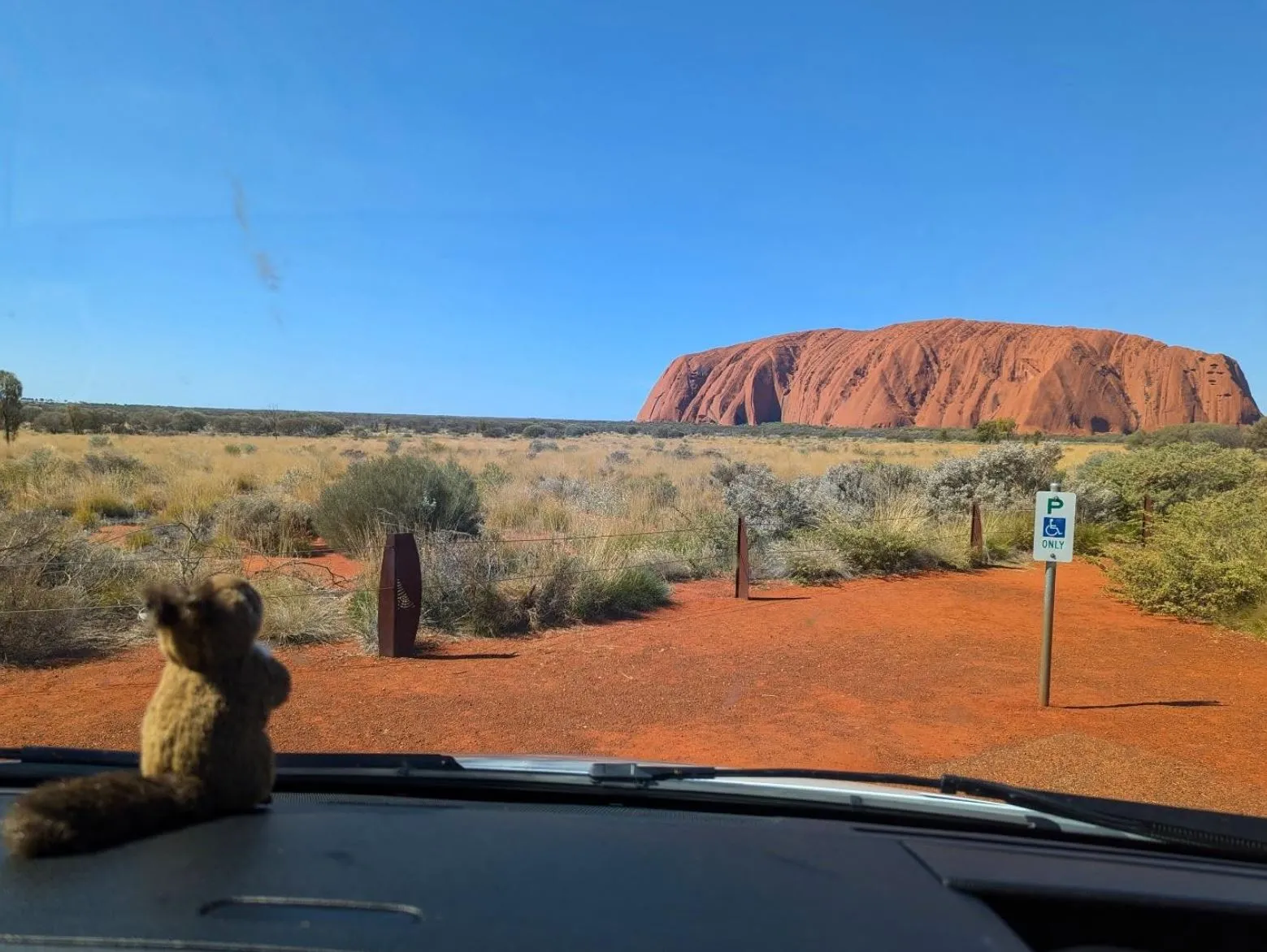
Dinosaurs appeared around 230 million years ago. By then Uluru’s rocks had already been around for over 300 million years. That region was a lush environment back then, with freshwater rivers, forests and animal tracks left behind by prehistoric life. Today’s outback might look barren, but in the dinosaur era it was teeming with life. And Uluru was right there, watching a world that’s long gone.
People think Uluru is just a big rock. But that misses the incredible history and geological complexity that makes this massive monolith so unique. The wind and water have carved out rock caves over geological time, holding stories and even animal tracks from different eras. Those caves are some of the coolest things you can see when you visit with Wildlife Tours. They offer unique journeys to Uluru and nearby destinations like Kata Tjuta and Kings Canyon.
If you want to experience the real outback, 3 day Uluru tour will take you deep into that ancient land. You’ll find hidden rock caves and see life from millions of years ago.
Unique Features and Cultural Significance
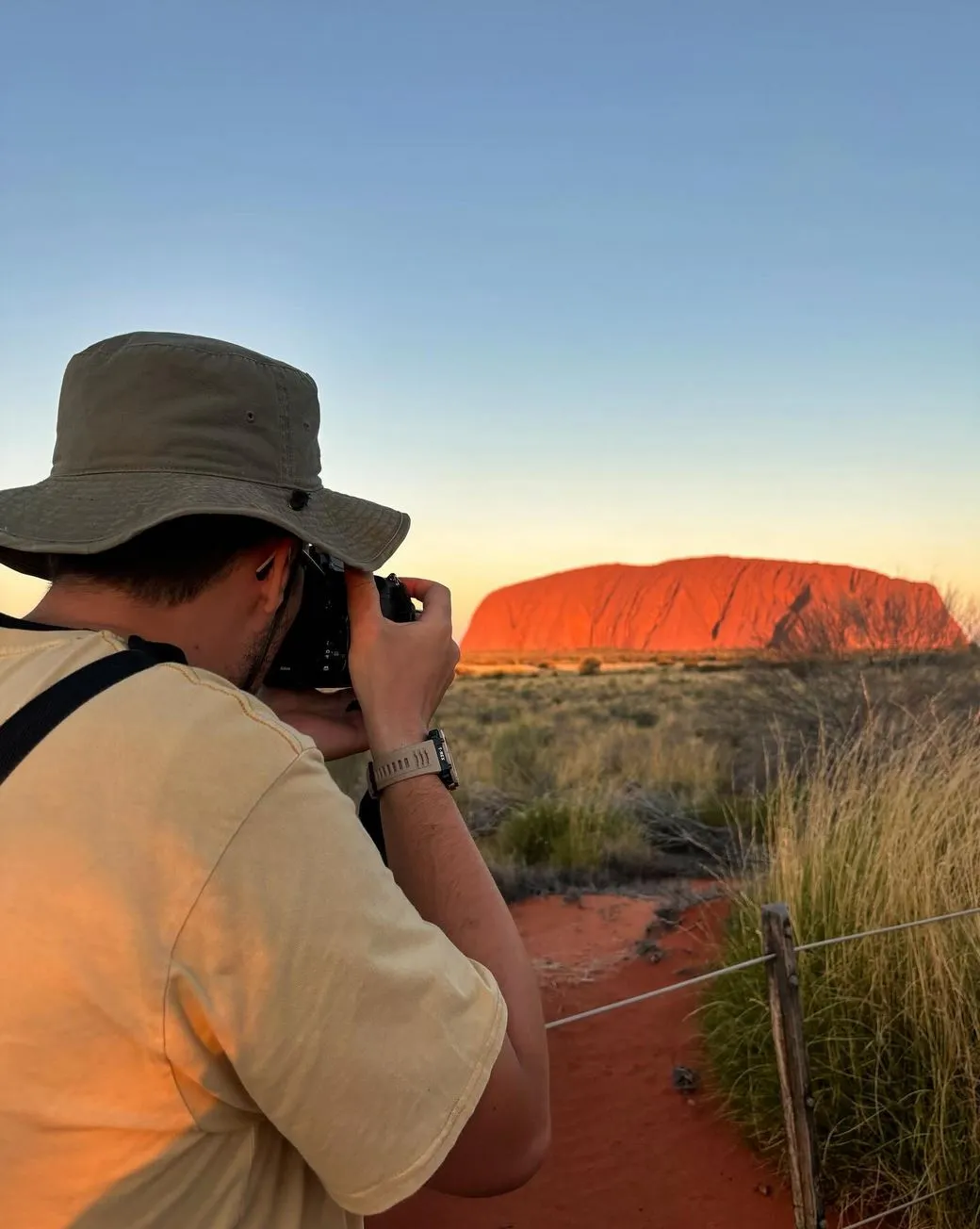
Uluru is the largest rock and the biggest monolith in the world by exposed surface area. And its shapes and colours change with the shifting sunlight in a way that’s just magic. Visitors get mesmerized by the artificial lights that light up the rock during special events. But nothing compares to sunrise or sunset.
For thousands of years the Anangu—the traditional owners—have held traditional ceremonies in and around Uluru’s rock caves and sacred sites. Those ceremonies are deeply rooted in Australian culture and help preserve that connection to the land. The landscape around Uluru, with its fantasy garden flora and ancient rocks, is central to the Dreamtime stories that continue to shape Indigenous identity today.
Nearby you’ll find other outback highlights. Kata Tjuta—the Olgas—has a series of massive rock domes. Kings Canyon has stunning rock formations and ancient stories. And Alice Springs, a classic Aussie town, is a cultural hub in the heart of Australia. And for the brave!
The Changing Landscape
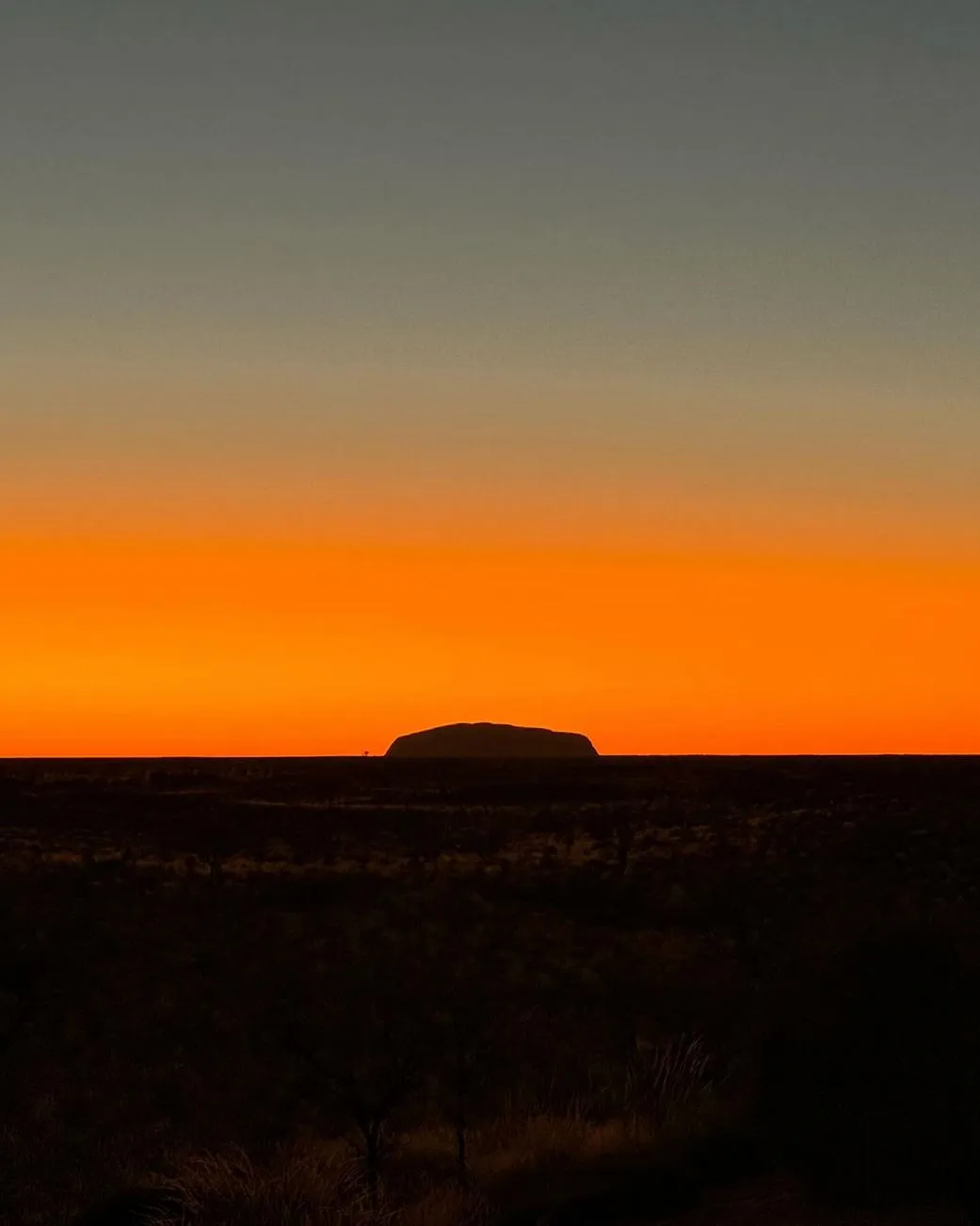
The area around Uluru has changed so much over hundreds of thousands of years. From a lush wetland during the time of the dinosaurs with fresh water rivers and thick vegetation to the desert we see today. Yet even today the biggest rock on earth still shows animal tracks and signs of life, a treasure trove for scientists and visitors.
The surrounding landscape is often thought of as a fantasy garden in popular belief supports unique wildlife and plants that have adapted to the outback. The single rock of Uluru stands out against the flat desert; it’s amazing and mysterious.
A Window Into Earth’s History
Standing in front of this rock, you can’t help but be in awe of its size and age. Uluru is more than just a rock. It’s a record of geological time, a witness to mass extinctions, ancient cultures and natural wonders. The ancient rocks tell a story of survival and change and the Anangu traditions connect us to the earliest time.
Today Uluru is a must-see destination for anyone visiting the Australian outback, with Wildlife Tours so you can experience it all with Kata Tjuta and Kings Canyon. Whether you’re exploring the ancient caves, watching the sunrise or participating in a traditional ceremony Uluru’s history, shapes and landscape will make every visit unforgettable. Many Uluru 3 Day Tours are designed to immerse you in the culture, nature and geological wonders of this ancient land.
FAQ
How old is Uluru?
The rocks are 550 million years old, older than any dinosaur fossils.
Is Uluru the biggest monolith in the world?
Yes, Uluru is the largest monolith by surface area—a single rock with amazing shapes and history.
Did dinosaurs live near Uluru?
The area had freshwater rivers, lush vegetation and animal tracks during the dinosaur period and evidence of life is still found in the rocks.
What is the cultural significance of Uluru?
Uluru is central to traditional ceremonies and ancient stories of the Anangu, the traditional owners for thousands of years, so it’s part of Australian culture.
What makes Uluru unique among ancient rocks?
Uluru’s size, actual monolith status, rock caves and history make it a true Aussie outback and ancient wonder.